Books That Shaped My Thinking

If you want to understand how I approach marketing, start here. These are the books that shaped my thinking — ranked from must-read to nice-to-have.

I’d recommend these books to every marketer because I believe they provide the essential foundation for understanding how to communicate your brand’s value to customers — and, more importantly, how to make it clear why they should choose your brand over the competition.

Must Read

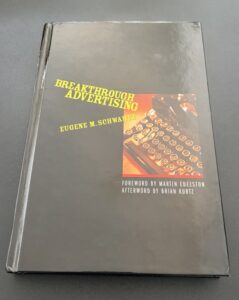
Breakthrough Advertising by Eugene M. Schwartz

Breakthrough Advertising by Eugene M. Schwartz

Must Read

Quick Summary

Breakthrough Advertising is essentially a book about understanding what people already want and positioning your product as the best way to get it. It’s less about clever wording and more about psychology, market research, and matching your message to the customer.

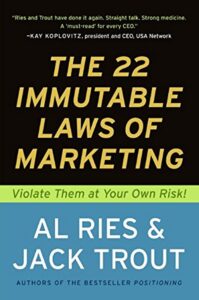
The 22 Immutable Laws of Marketing by Al Ries and Jack Trout

The 22 Immutable Laws of Marketing by Al Ries and Jack Trout

Must Read

Quick Summary

The 22 Immutable Laws of Marketing is about how brands win by owning a clear position in the customer’s mind. Ries and Trout argue that marketing is less a battle of products and more a battle of perceptions — being first, different, and easy to remember often matters more than simply being better. The book’s core lesson is to focus your brand around one distinct idea, avoid trying to appeal to everyone, and create a category or position you can own rather than fighting competitors on their terms.

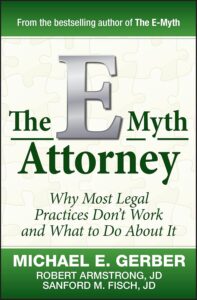
The E-Myth Attorney: Why Most Legal Practices Don't Work and What to Do About It by Michael E. Gerber, Robert Armstrong J.D., Sanford Fisch J.D.

The E-Myth Attorney: Why Most Legal Practices Don't Work and What to Do About It by Michael E. Gerber, Robert Armstrong J.D., Sanford Fisch J.D.

Must Read

Quick Summary

The E-Myth Attorney is about transforming a legal practice from a business that depends entirely on the attorney into one that operates through well-designed systems and processes. The authors argue that being a skilled lawyer does not automatically make someone a skilled business owner. The core lesson is to work on the practice, not just in it — creating repeatable systems, defining roles, delegating effectively, and building a firm that can consistently serve clients, grow, and operate without everything depending on the owner.

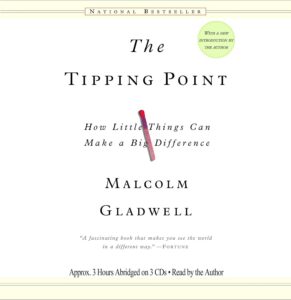
The Tipping Point: How Little Things Can Make a Big Difference by Malcolm Gladwell

The Tipping Point: How Little Things Can Make a Big Difference by Malcolm Gladwell

Must Read

Quick Summary

The Tipping Point explores how ideas, products, and behaviors can spread rapidly through society once they reach a critical tipping point. Malcolm Gladwell argues that seemingly small changes can create disproportionately large effects when the right people, message, and environment come together. The core lesson is that understanding who influences others, what makes an idea memorable, and which contextual factors encourage action can help explain why some trends gain momentum and spread while others never take off.

Worth Reading

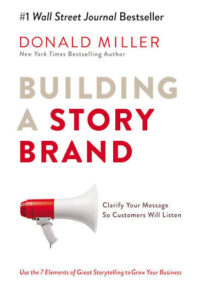
Building a StoryBrand by Donald Miller

Building a StoryBrand by Donald Miller

Worth Reading

Quick Summary

Building a StoryBrand is about making your marketing message clear by positioning the customer as the hero and your brand as the guide. Donald Miller argues that customers pay attention when they quickly understand what you offer, how it improves their life, and what they need to do next. Using a simple storytelling framework, the book shows how to clarify your message around the customer’s problem, present your product as the solution, provide a clear plan and call to action, and communicate the successful outcome they can achieve.

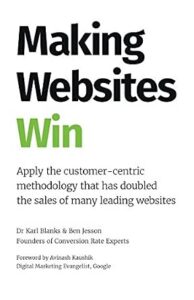
Making Websites Win: Apply the Customer-Centric Methodology That Has Doubled the Sales of Many Leading Websites by Dr. Karl Blanks, Mr. Ben Jesson

Making Websites Win: Apply the Customer-Centric Methodology That Has Doubled the Sales of Many Leading Websites by Dr. Karl Blanks, Mr. Ben Jesson

Worth Reading

Quick Summary

is about improving website performance by deeply understanding customers and systematically testing what actually persuades them to take action. Karl Blanks and Ben Jesson argue that successful conversion optimization is not about copying “best practices” or making random design changes, but about researching visitors, identifying what prevents them from converting, and running experiments that solve those problems. The core lesson is to treat your website as an evolving sales system — understand your customers, find the biggest opportunities for improvement, test solutions, measure the results, and continuously optimize based on real customer behavior.

Nice to Have

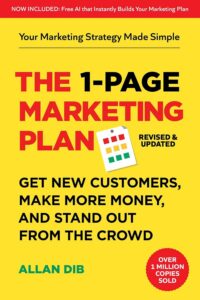
The 1-Page Marketing Plan: Get New Customers, Make More Money, And Stand out From The Crowd by Allan Dib

The 1-Page Marketing Plan: Get New Customers, Make More Money, And Stand out From The Crowd by Allan Dib

Nice to Have

Quick Summary

The 1-Page Marketing Plan is a practical framework for building a complete marketing strategy without making it overly complicated. Allan Dib breaks marketing into three stages — before, during, and after a customer buys — covering how to identify your target market, create a compelling message, generate leads, convert them into customers, and build long-term relationships that increase customer value and referrals. The core lesson is that effective marketing should be a deliberate, repeatable system for attracting the right customers and turning them into loyal advocates.